AR Blue Clean Pressure Washer Manual: A Comprehensive Guide
This manual details operation, safety, and maintenance for AR Blue Clean pressure washers, including models AR614, AR390, and AR630 V2.
AR Blue Clean pressure washers are designed for a variety of cleaning tasks around your home and garden. These machines utilize high-pressure water to effectively remove dirt, grime, and other debris from surfaces like patios, decks, vehicles, and siding. Understanding your specific model – whether it’s the AR614, AR390, or AR630 V2 – is crucial for optimal performance and longevity.
Before initial use, carefully review this manual to familiarize yourself with the components, operating instructions, and safety precautions. Proper operation ensures efficient cleaning while minimizing the risk of damage to both the machine and your surroundings. This guide provides essential information for assembly, installation, operation, and maintenance, ensuring a positive user experience. Always refer to www.arnorthamerica.com for additional resources.
Understanding Your AR Blue Clean Model (AR614, AR390, AR630 V2)
Each AR Blue Clean model – AR614, AR390, and AR630 V2 – offers unique features tailored to different cleaning needs. The AR614, for example, boasts a robust triplex pump with ceramic pistons for enhanced durability. The AR390 is known for its user-friendly design and efficient performance. The AR630 V2 often incorporates features for quieter operation, appealing to residential users.
Regardless of the model, all share core components like a high-pressure hose, spray gun, adjustable nozzle, and detergent tank. Familiarize yourself with the specific layout and controls of your unit. Refer to the included parts list (AR112) and diagrams for accurate identification. Understanding the automatic bypass valve and crankcase heater (if applicable) will aid in proper maintenance and troubleshooting.

Key Components & Their Functions
Essential parts include the high-pressure hose, spray gun, adjustable nozzle, lance, and detergent tank – each playing a vital role in effective cleaning.
The High-Pressure Hose: Connection and Maintenance
The high-pressure hose is crucial for delivering water to the cleaning surface. Ensure a secure connection to both the pressure washer and the spray gun before each use. Regularly inspect the hose for any signs of damage, such as cracks, abrasions, or bulges, as these can lead to leaks or even hose failure during operation.
Avoid kinking or twisting the hose, as this can restrict water flow and potentially damage the internal structure. After each use, disconnect the hose and store it properly, away from direct sunlight and extreme temperatures. Proper storage extends the hose’s lifespan.
If damage is detected, replace the hose immediately; do not attempt repairs. Using a damaged hose poses a significant safety risk. Always use a hose specifically designed for pressure washer applications to withstand the high pressures involved.
Spray Gun: Operation and Safety Features
The spray gun controls the flow of high-pressure water. To operate, pull the trigger to initiate spray and release to stop. Many AR Blue Clean models feature a safety lock on the trigger to prevent accidental activation. Familiarize yourself with this lock before use – it’s a vital safety feature!
Never point the spray gun at yourself or others. High-pressure spray can cause serious injury. Avoid spraying electrical components or outlets. Always maintain a firm grip on the spray gun during operation.
Inspect the gun for any damage before each use. A damaged gun can malfunction and pose a safety hazard. The gun safety button (D) is a key component. Ensure it functions correctly. Proper operation and adherence to safety guidelines are essential for safe and effective cleaning.
Adjustable Spray Nozzle: Selecting the Right Spray Pattern
The adjustable spray nozzle allows you to customize the water stream for various cleaning tasks. Rotating the nozzle adjusts the spray pattern, ranging from a narrow, high-impact jet for stubborn dirt to a wider, fan-shaped spray for rinsing larger areas.
Different nozzles are suited for different surfaces. A 0-degree nozzle delivers maximum pressure but can damage delicate surfaces. A 25-degree nozzle is ideal for most general cleaning. A 40-degree nozzle is best for washing cars and other sensitive items.
Always start with a wider spray pattern and gradually increase the pressure as needed. Experiment to find the optimal setting for your specific cleaning application. Incorrect nozzle selection can lead to damage or ineffective cleaning.
Lance: Extending Reach and Focusing Spray
The lance extends your reach, allowing you to clean hard-to-access areas without straining. It also helps to concentrate the spray, increasing its impact force for more effective cleaning on stubborn grime and dirt.
The lance typically connects directly to the spray gun and can often be adjusted in length for optimal comfort and maneuverability. Ensure a secure connection before operation to prevent leaks or disconnections during use.

Different lance lengths may be available depending on the model and intended application. Using a longer lance provides greater reach, while a shorter lance offers more control. Always maintain a safe distance from electrical sources when using the lance.
Detergent Tank: Usage and Compatible Detergents
The detergent tank allows for the application of cleaning solutions during pressure washing, enhancing cleaning performance. Fill the tank with a compatible detergent specifically designed for pressure washers; avoid using harsh chemicals or abrasive cleaners.
Refer to your AR Blue Clean model’s documentation for recommended detergents. Using incompatible detergents can damage the pump or void the warranty. Adjust the detergent flow rate using the built-in regulator to control the mixture strength.
Always rinse the detergent tank thoroughly after each use to prevent clogging. Mild automotive-type detergents are suitable for washing garden carts, but alkaline-based soaps and pressure washing are not recommended.
Operating Instructions
To begin, connect the water and power supply, then pull the trigger and switch the unit to ‘ON’ for operation.
Initial Setup: Connecting Water and Power
Before first use, carefully inspect all components for damage. Connect a standard garden hose to the water inlet, ensuring a tight seal to prevent leaks. The AR Blue Clean requires a properly grounded electrical outlet; avoid using extension cords if possible, but if necessary, use a heavy-duty, outdoor-rated cord.
Always ensure the power switch is in the ‘OFF’ position before connecting the electrical supply. Verify the voltage on the pressure washer matches your outlet’s voltage. Once connected, double-check all hose connections and the electrical plug for secure placement. Improper connections can lead to malfunction or safety hazards.
Finally, before starting, bleed the pump by briefly pulling the trigger until water flows consistently.
Starting and Stopping the Pressure Washer
To start the AR Blue Clean, ensure the water supply is fully connected and the power cord is securely plugged in. Turn the ON/OFF switch to the ‘ON’ position. Briefly pull the trigger on the spray gun to initiate water flow and relieve pressure within the pump.
The motor will run only when the trigger is engaged; releasing the trigger immediately stops the motor. This feature conserves energy and extends pump life. Avoid prolonged operation with the trigger released, as this can cause overheating.
To shut down, release the trigger, turn the ON/OFF switch to ‘OFF’, and disconnect the water and power supplies.
Adjusting Pressure Settings
AR Blue Clean pressure washers offer adjustable pressure settings, typically controlled via the adjustable spray nozzle. Rotating the nozzle allows you to switch between different spray patterns – from a concentrated, high-pressure jet for tough stains to a wider, lower-pressure spray for delicate surfaces.
Begin with the lowest pressure setting and gradually increase it as needed, testing on an inconspicuous area first. This prevents damage to the surface being cleaned. Some models may feature a pressure regulator for finer control.
Always consider the material you are cleaning and select the appropriate pressure to avoid damage.
Using the Detergent Function
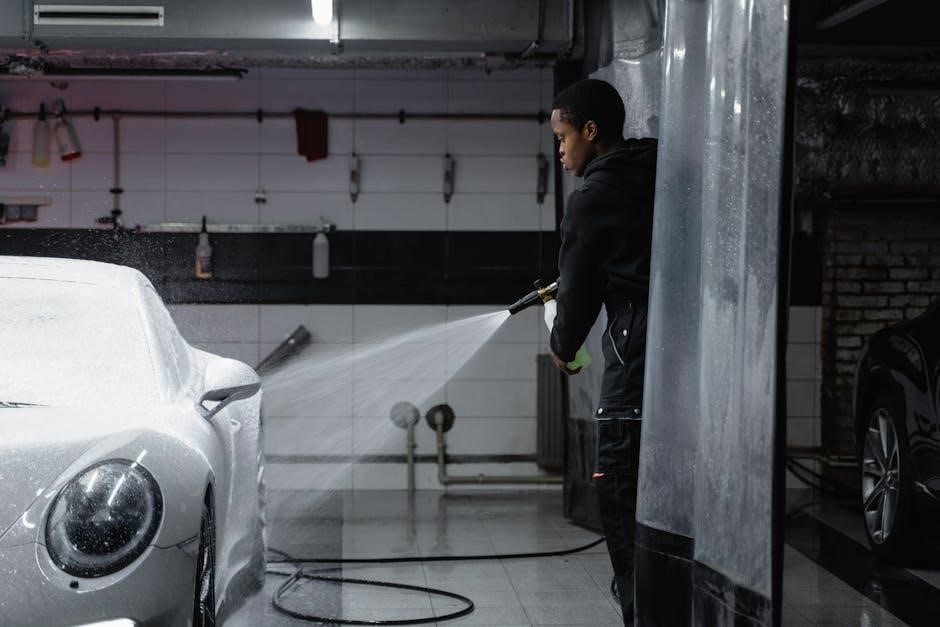
To utilize the detergent function, first, ensure the detergent tank is filled with a compatible, mild automotive-type detergent. Avoid alkaline-based soaps, as they can damage the unit. Attach the detergent suction tube to the tank and insert it into the pressure washer’s detergent inlet.
Select a low-pressure nozzle setting, as high pressure can reduce detergent effectiveness. Pull the trigger on the spray gun; the pressure washer will automatically draw detergent into the water stream.
Apply the detergent, allow it to dwell briefly, then rinse thoroughly with clean water.
Safety Precautions
Always read the manual thoroughly before use; it contains vital warnings regarding electrical and high-pressure spray safety, preventing damage and injury.
General Safety Guidelines
Before operating your AR Blue Clean pressure washer, ensure a clean and well-lit work area, free from clutter to prevent accidents. Never operate power tools in hazardous environments. Thoroughly read and understand this manual before assembly, installation, operation, or maintenance. Be mindful of potential material damage; incorrect usage can harm components.
The high-pressure spray can force water into electrical components, posing a risk. Always disconnect the power supply before servicing or changing accessories. Avoid directing the spray at people, animals, or electrical equipment. Use caution when washing garden carts, opting for mild detergents and soft brushes to prevent damage – avoid alkaline-based soaps and direct pressure washing.
Electrical Safety
Always disconnect the power supply before any maintenance or accessory changes on your AR Blue Clean pressure washer. Never operate the unit with a damaged cord or plug; immediate replacement is crucial. Avoid using extension cords unless absolutely necessary, and if used, ensure they are appropriately rated for outdoor use and the pressure washer’s power requirements.
Do not expose the electrical components to water or moisture. Ground fault circuit interrupters (GFCIs) are highly recommended for added safety, especially when operating outdoors. Be extremely cautious when operating near electrical outlets or wiring. The high-pressure spray can force water into electrical components, creating a severe shock hazard – prevent this at all costs;
High-Pressure Spray Safety
Never point the spray wand at yourself or others. The high-pressure stream can cause serious injury. Avoid spraying electrical components, wiring, or any potentially flammable materials. Maintain a safe distance from the spray pattern, and always wear appropriate eye protection, such as safety glasses or goggles, to prevent debris from causing harm.
Be mindful of the potential for the spray to ricochet off surfaces. Secure the work area and ensure bystanders are kept at a safe distance. Never attempt to modify the spray gun or lance in any way, as this could compromise safety features. Material damage can occur if the pressure is too high for the surface being cleaned.
Protecting Your Work Area
Before operation, clear the immediate work area of any obstacles, including people, pets, and fragile items. A clean and well-lit space minimizes accidents. Cover or protect plants, landscaping, and sensitive surfaces from the high-pressure spray and potential detergent exposure. Be aware of surrounding structures and avoid directing the spray towards windows or doors.
Consider using tarps or plastic sheeting to contain water splash and debris. Ensure adequate ventilation when working indoors or in enclosed spaces. Avoid operating the pressure washer in areas with standing water or near electrical hazards. A safe and prepared work area is crucial for preventing damage and ensuring personal safety during cleaning tasks.

Maintenance & Troubleshooting
Regular cleaning of nozzles, hose inspection, and pump care (especially the triplex pump with ceramic pistons) are vital for longevity.
Nozzle Cleaning and Maintenance
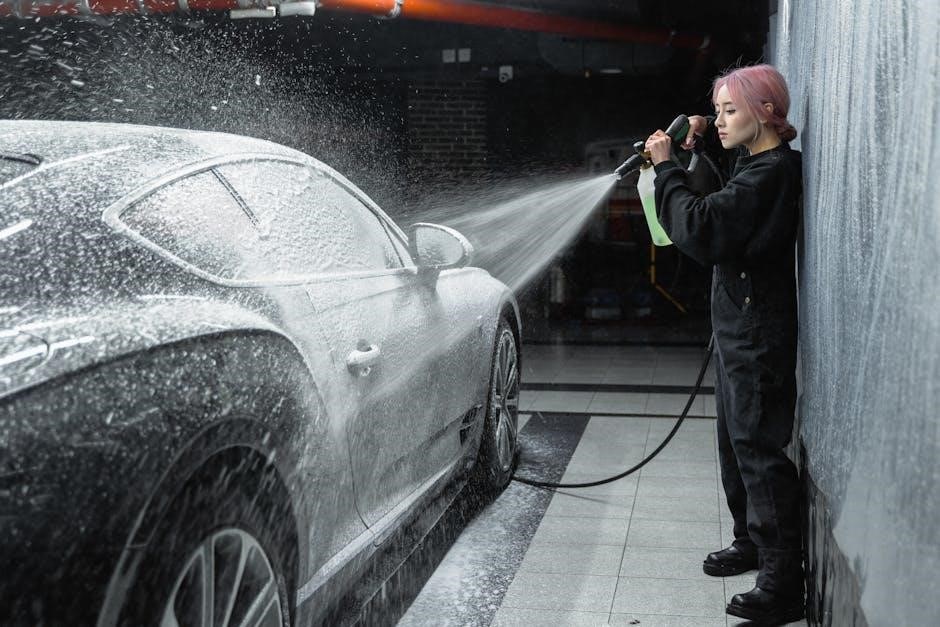
Maintaining a clean nozzle is crucial for optimal pressure washer performance. Over time, mineral deposits and debris can clog the nozzle orifice, reducing spray force and efficiency. To clean, first, disconnect the high-pressure hose and remove the nozzle. Utilize the provided nozzle cleaning tool, carefully inserting it into the nozzle opening to dislodge any obstructions.
If the nozzle remains clogged, soak it in a solution of white vinegar and water overnight. Rinse thoroughly before re-installation. Regularly inspect the nozzle for wear and tear, replacing it if damaged. A worn nozzle can cause uneven spray patterns and reduce cleaning effectiveness. Proper nozzle maintenance ensures consistent performance and extends the life of your AR Blue Clean pressure washer.
High-Pressure Hose Inspection and Care
Regular inspection of the high-pressure hose is vital for safe operation. Before each use, carefully examine the hose for any signs of damage, including cuts, abrasions, bulges, or kinks. Do not use the pressure washer if the hose shows any signs of wear. Avoid dragging the hose across abrasive surfaces, which can cause damage over time.
After each use, disconnect the hose from the pressure washer and nozzle, and store it neatly coiled in a dry, protected area, away from direct sunlight and extreme temperatures. Never attempt to repair a damaged high-pressure hose; it must be replaced entirely. Proper hose care prevents leaks, ensures optimal water flow, and safeguards against potential hazards.
Pump Maintenance (Triplex Pump with Ceramic Pistons)
The AR Blue Clean pressure washer utilizes a durable triplex pump with ceramic pistons, requiring minimal maintenance. However, ensuring its longevity involves a few key practices. Avoid running the pump dry for extended periods, as this can cause damage. Regularly check for oil leaks around the pump, and address any issues promptly.
The automatic bypass valve regulates pressure during shut-off, protecting the pump. Consider utilizing a crankcase heater in colder climates to prevent freezing and potential damage. Proper winterizing, including the pump down system, is crucial to prevent internal corrosion. Following these guidelines will maximize the pump’s lifespan and performance.
Winterizing Your Pressure Washer (Pump Down System)
Proper winterization is vital to prevent damage from freezing temperatures. The AR Blue Clean pressure washer features a pump down system designed to remove water from the pump and high-pressure hose. After use in cold weather, disconnect the water supply and run the pressure washer until the pump is empty.

This prevents water from freezing inside, potentially cracking the pump. Additionally, consider using pump saver fluid, following the manufacturer’s instructions. Store the unit in a dry, protected area. The evaporator can get very cold, so proper draining is essential. Failing to winterize can void the warranty and lead to costly repairs.

Parts List & Diagrams
Detailed diagrams, including AR112, illustrate component locations. Understanding the automatic bypass valve, crankcase heater, and garden hose adapter aids maintenance.
Locating Parts Diagrams (AR112)
Accessing the correct parts diagram is crucial for efficient repairs and maintenance of your AR Blue Clean pressure washer. The AR112 diagram specifically details the components of various models, ensuring you identify the correct part for replacement. These diagrams are typically available online at www.arnorthamerica.com, offering a visual guide to the pressure washer’s assembly.
The diagrams clearly illustrate each part’s location and relationship to other components. This visual aid simplifies the identification process, even for those unfamiliar with pressure washer mechanics. Properly identifying parts prevents incorrect installations and potential damage to the unit. Always refer to the AR112 diagram alongside the parts list when ordering replacements, guaranteeing compatibility and a successful repair.
Understanding the Automatic Bypass Valve
The automatic bypass valve is a critical component within AR Blue Clean pressure washers, particularly those equipped with a triplex pump and ceramic pistons. Its primary function is to regulate pressure during extended periods when the trigger is released, diverting high-pressure water back to the low-pressure side of the pump.
This prevents overheating and potential damage to the pump’s internal components. Without the bypass valve, the continuous cycling of the pump under pressure could lead to premature wear and failure. The valve operates automatically, requiring no manual intervention. Furthermore, some models utilize a crankcase heater in conjunction with the bypass system, ensuring optimal pump performance and longevity, especially in colder climates.
Crankcase Heater Application
Certain AR Blue Clean pressure washer models incorporate a crankcase heater to enhance operational reliability, particularly in environments prone to freezing temperatures. This heater, strategically positioned within the pump’s crankcase, prevents water from freezing inside the pump assembly during storage or periods of inactivity.
Frozen water can cause significant damage to the pump’s delicate internal components, including the ceramic pistons. The heater maintains a minimum temperature, ensuring the pump remains operational even after exposure to cold conditions. Proper functioning of the crankcase heater is often linked to the automatic bypass valve, working in tandem to protect the pump. Always verify the heater’s operation before storing the unit for extended periods in cold weather.
Garden Hose Adapter Usage
The AR Blue Clean pressure washer is designed for compatibility with standard garden hoses using a provided adapter. This adapter allows convenient connection to readily available water sources, eliminating the need for specialized plumbing. Ensure a secure and leak-proof connection by firmly attaching the adapter to both the pressure washer’s water inlet and the garden hose.
Before operation, verify the garden hose is free from kinks and obstructions to maintain consistent water flow. Using a high-quality garden hose is recommended to prevent pressure loss and ensure optimal performance. Avoid using damaged or worn hoses, as they may burst under pressure. Regularly inspect the adapter for wear and tear, replacing it if necessary to maintain a safe and efficient connection.