Article Plan: Coloring Pictures of Soldier and Cave & Spiders PDF
This article details a plan for creating and utilizing coloring pages featuring soldiers, caves, and spiders, exploring themes from history, nature, and arachnology in PDF format.
Coloring pages offer a fantastic creative outlet, particularly when combining intriguing themes like courageous soldiers, mysterious caves, and fascinating spiders. This unique blend sparks imagination and provides educational opportunities. These printable PDFs cater to diverse age groups, fostering artistic expression and learning.
The convergence of these subjects—military history, subterranean exploration, and arachnid study— presents a captivating experience. From Roman legions to modern-day forces, cave formations and dwellings, to the diverse world of orb-weavers and jumping spiders, the possibilities are endless. These coloring pages aim to entertain and inform.
The Appeal of Combined Themes
The unusual pairing of soldiers, caves, and spiders creates a compelling narrative for coloring enthusiasts. It moves beyond typical themes, offering a richer, more layered experience. Caves provide natural settings for both historical military operations and spider habitats, linking these seemingly disparate elements.
This combination taps into primal interests: bravery, exploration, and a touch of the mysterious. Spiders, often misunderstood, become less frightening when viewed within a broader ecological context, like a cave ecosystem. Coloring allows children to engage with these themes safely and creatively, fostering curiosity and learning.
Why Soldiers, Caves, and Spiders? Exploring the Intrigue
The juxtaposition sparks imagination. Soldiers historically utilized caves for shelter and strategic advantage, creating a tangible link. Spiders, as cave dwellers, add an element of natural mystery and biodiversity to these subterranean worlds. This blend appeals to a fascination with both human history and the natural world.
The themes offer contrasting elements: courage versus vulnerability, constructed spaces versus organic formations, and human activity versus animal life. Coloring these scenes encourages contemplation of these contrasts, fostering a deeper engagement with the images and their underlying narratives.
Understanding the Target Audience
These coloring pages primarily target children aged 6-12, though appeal extends to older enthusiasts. This age range is developing fine motor skills and imaginative thinking, benefiting from the focused activity coloring provides. The themes cater to varied interests – history (soldiers), science (spiders & caves), and adventure.
Consideration must be given to sensitivity regarding soldier depictions. Images should focus on bravery and historical context, avoiding glorification of violence. The spider imagery should aim to demystify arachnids, countering common fears through engaging illustrations.
Age Range and Developmental Stages
For 6-8 year olds, coloring reinforces pre-writing skills and color recognition. Simpler soldier, cave, and spider outlines are ideal, fostering a sense of accomplishment. Ages 9-12 benefit from more detailed images, encouraging patience and concentration. They can explore shading and blending techniques.
Developmentally, this age group is increasingly curious about the world. Soldiers spark questions about history, caves about geology, and spiders about biology. Coloring provides a relaxed entry point for learning, stimulating imagination and critical thinking skills.
Educational Benefits of Coloring
Coloring these themed pages enhances fine motor skills and hand-eye coordination, crucial for early childhood development. Exposure to soldiers introduces historical concepts, while caves spark interest in earth science and geological formations. Spider coloring can gently address arachnophobia, promoting understanding of these creatures.
Furthermore, coloring encourages creativity and self-expression. Children learn about different eras, ecosystems, and species. The act of choosing colors and completing a picture builds confidence and a sense of achievement, fostering a positive learning experience.
Soldier Coloring Pages: Historical & Modern Depictions
These coloring pages will showcase soldiers across time, from Roman legionaries and medieval knights to modern-day infantry. Depictions will emphasize uniforms, weaponry, and historical settings, offering a visual journey through military history; Images will aim for accuracy while remaining appropriate for children.
The goal is to promote respect and understanding of the roles soldiers have played in shaping our world. Coloring can spark conversations about courage, duty, and the complexities of conflict, fostering critical thinking and empathy.
Different Eras of Soldiers (Roman, Medieval, Modern)
Coloring pages will distinctly represent Roman soldiers with their iconic armor and formations, offering a glimpse into ancient warfare. Medieval knights will be depicted in shining armor, showcasing castles and jousting scenes. Modern soldiers will feature contemporary uniforms and equipment, reflecting current military roles.
Each era’s page will include details specific to that time period, like weaponry and tactical gear. This allows children to learn about historical evolution while engaging in a creative activity, fostering an appreciation for different periods.
Promoting Respect and Understanding of Military History
Soldier coloring pages aren’t just about depicting battles; they’re opportunities to instill respect for those who’ve served. Illustrations will focus on courage, discipline, and the human element of military life, avoiding glorification of violence.
Accompanying text (optional) can provide brief historical context, explaining the soldier’s role in their time. This fosters understanding of different conflicts and cultures, promoting empathy and critical thinking. The goal is to educate, not to endorse war, but to acknowledge sacrifice and history.
Cave Coloring Pages: Exploring Subterranean Worlds
Cave coloring pages offer a journey into Earth’s hidden realms, showcasing stunning formations like stalactites and stalagmites. These illustrations will depict the beauty and mystery of subterranean landscapes, inspiring curiosity about geology and natural history.
Pages can also feature depictions of historical cave dwellings, hinting at early human settlements and archaeological significance. The inclusion of cave-dwelling spiders (as noted in research) adds a layer of ecological realism, prompting exploration of cave ecosystems and biodiversity.
Cave Formations: Stalactites, Stalagmites & More
Coloring pages will vividly illustrate the diverse formations within caves, focusing on stalactites (descending from the ceiling) and stalagmites (rising from the floor). Detailed line art will showcase the intricate textures and shapes created over millennia by mineral-rich water.
Beyond these iconic structures, pages will include flowstones, columns, and helictites, offering a comprehensive visual lesson in speleology. The artwork will subtly incorporate potential spider habitats within these formations, linking geological features to the cave’s ecosystem.
Cave Dwellings & Historical Significance
Coloring pages will depict caves as shelters throughout history, showcasing prehistoric cave paintings and Iron Age burial sites (as referenced in German archaeological findings). Illustrations will feature early humans coexisting with cave fauna, including spiders, subtly hinting at the cave’s long-term ecosystem.
Pages will also portray soldiers utilizing caves for strategic advantage, connecting the themes. The artwork will emphasize the caves’ role as refuges and storage spaces, highlighting their importance in various historical contexts. Details will reflect the fur-clad inhabitants mentioned in historical accounts.
Spider Coloring Pages: A Look at Arachnids
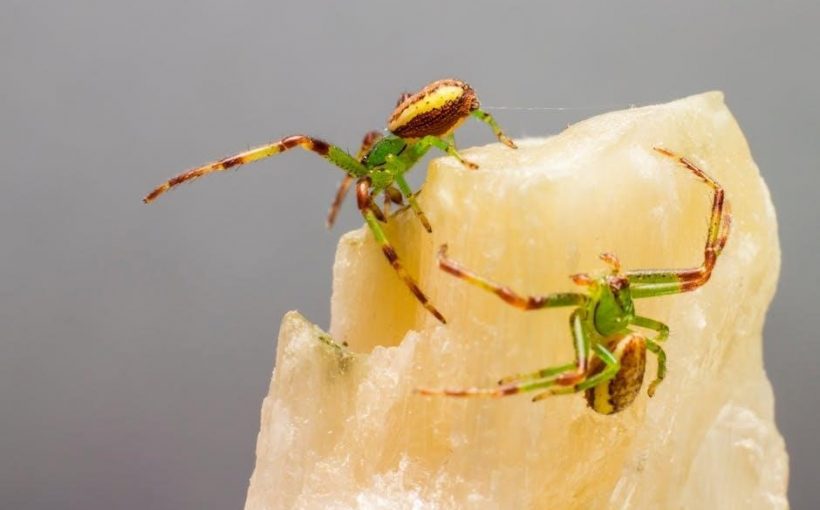
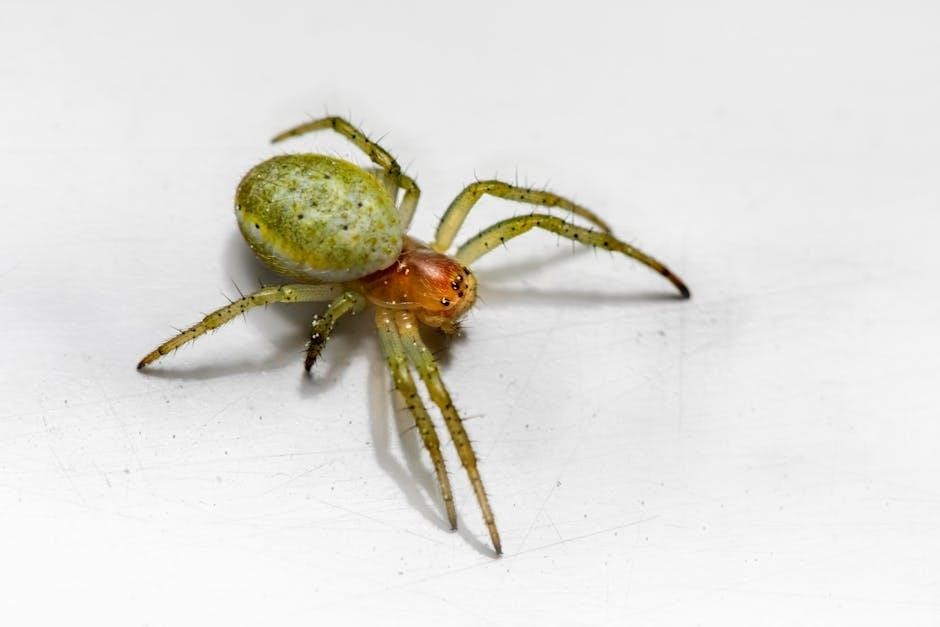
These coloring pages will introduce children to the fascinating world of arachnids, focusing on common species like orb-weavers and jumping spiders. Illustrations will accurately depict the eight legs characteristic of spiders, addressing and dispelling common fears and myths.
The designs will showcase spiders in their natural habitats, including caves, linking to the broader theme. We’ll feature spiders alongside historical depictions, subtly referencing their presence in ancient environments. Pages will aim to foster appreciation for these often-misunderstood creatures, promoting scientific curiosity.
Common Spider Species for Coloring (e.g;, Orb-Weavers, Jumping Spiders)
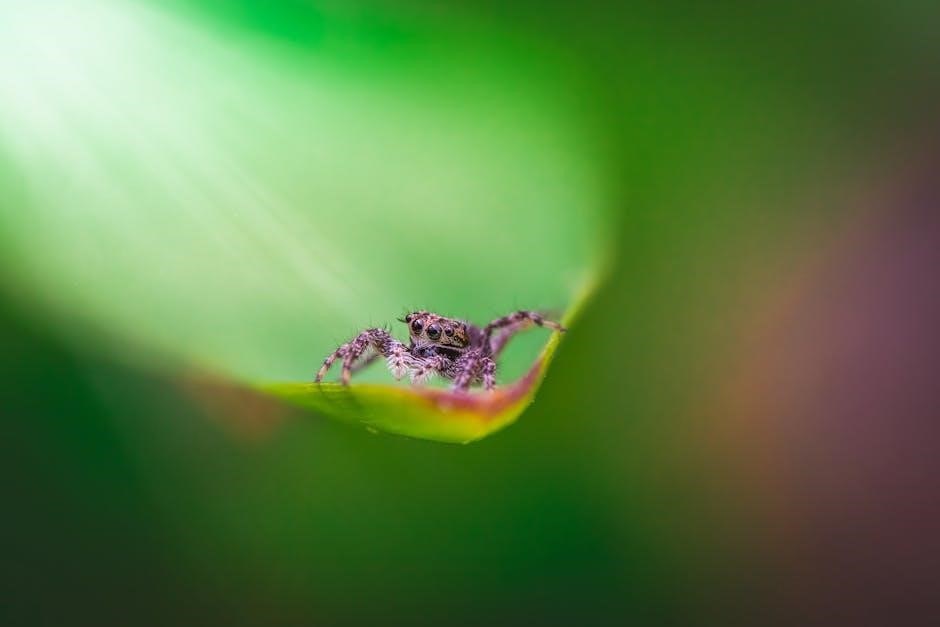
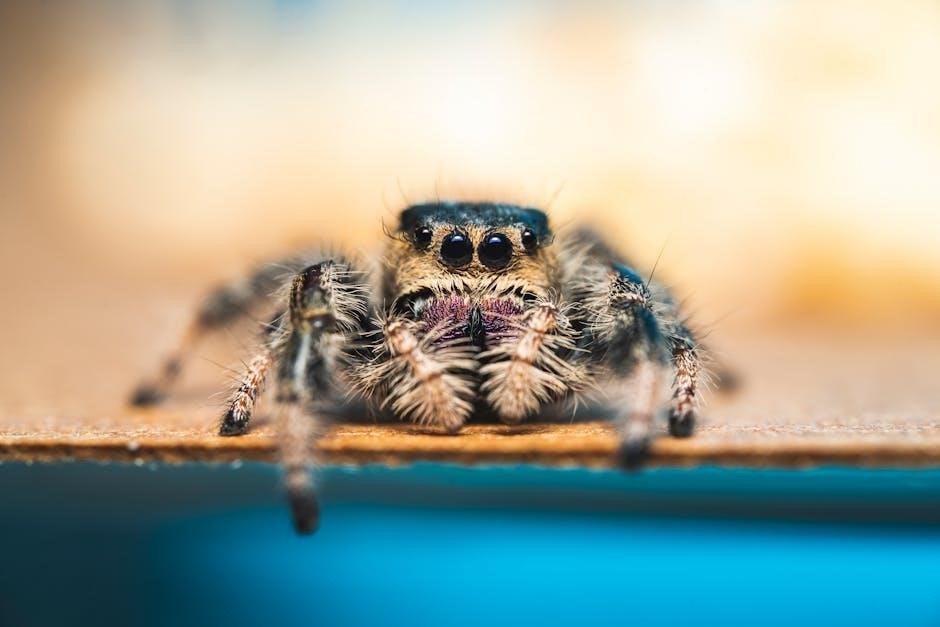
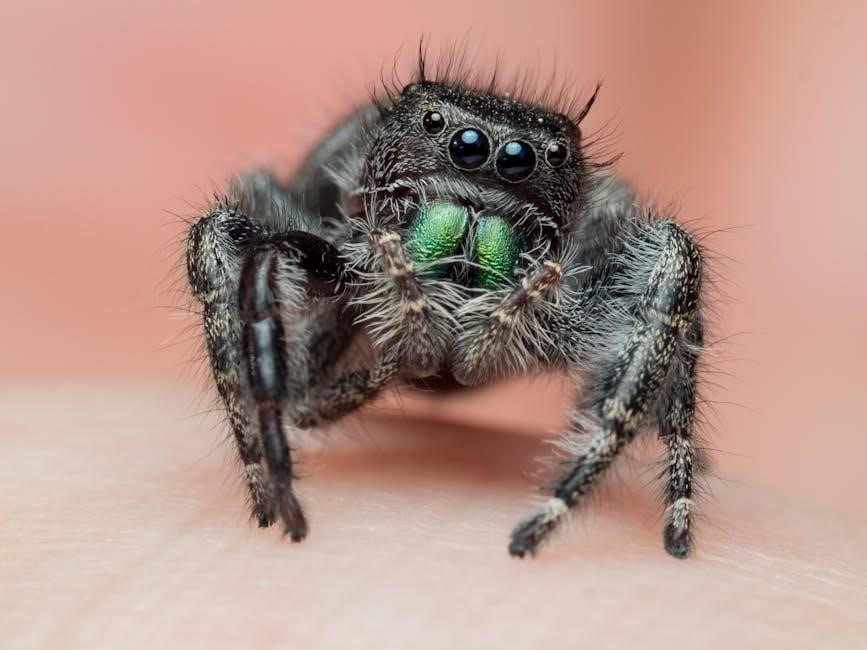
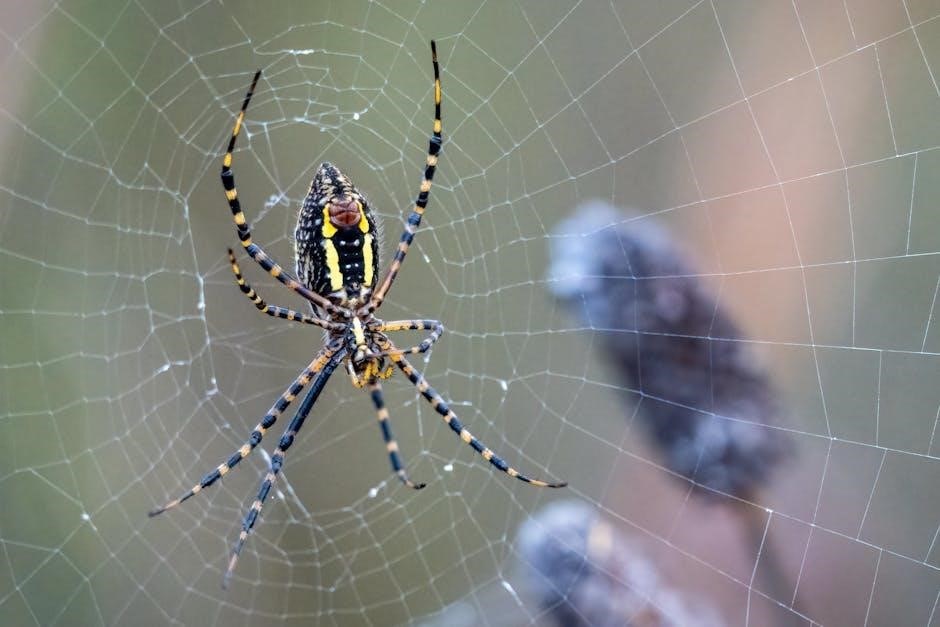
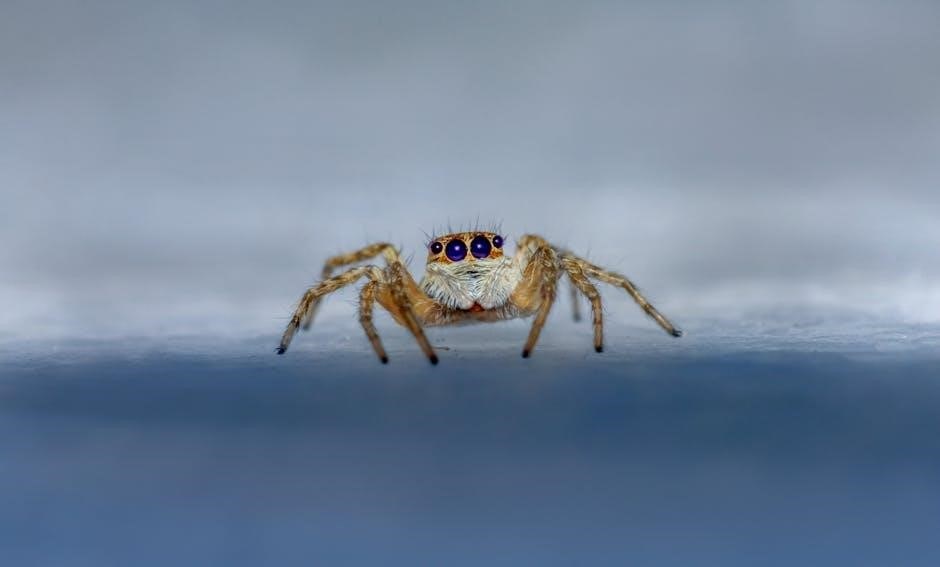
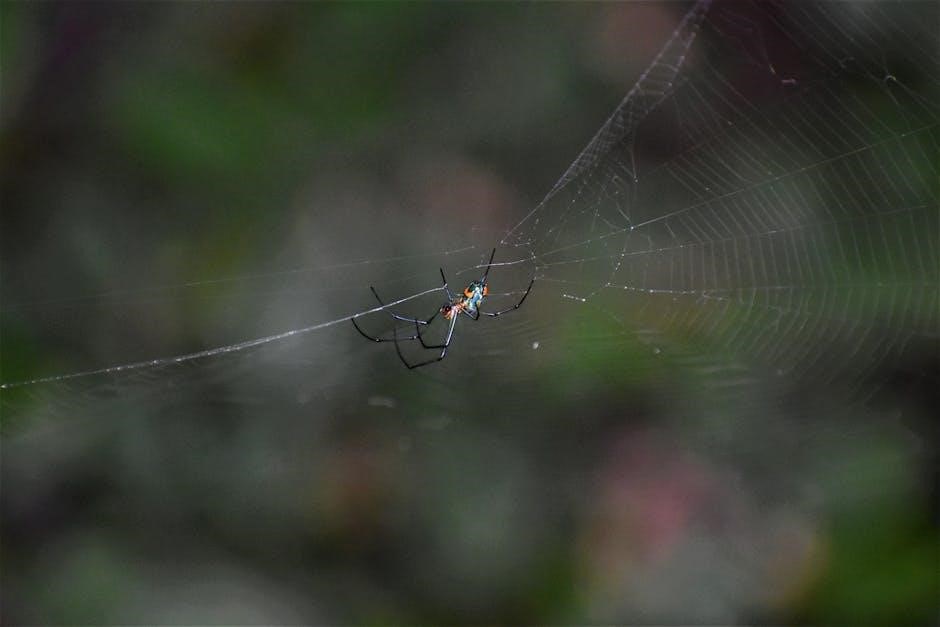
Coloring pages will prominently feature orb-weaver spiders, known for their intricate webs, providing detailed illustrations of web construction. Jumping spiders, with their excellent vision and playful movements, will also be included, showcasing their unique hunting techniques.
Other species may be represented, depending on artistic feasibility and educational value. Each spider will be accurately depicted, highlighting key identifying features. The goal is to introduce children to spider diversity, moving beyond stereotypical representations and fostering appreciation for these creatures.
Dispelling Myths & Fears About Spiders
Coloring pages will subtly challenge common misconceptions about spiders, emphasizing their beneficial roles in ecosystems. Illustrations will avoid overly frightening depictions, focusing instead on their beauty and complexity. Accompanying text (optional) will highlight the rarity of dangerous spider bites, and the importance of spiders in controlling insect populations.
The aim is to reduce arachnophobia, promoting understanding and respect. By presenting spiders as fascinating creatures, rather than scary monsters, we can encourage children to overcome their fears and appreciate their ecological significance.
Finding & Downloading “Soldier, Cave & Spider” PDF Coloring Pages
Numerous websites offer free downloadable PDF coloring pages, but careful selection is crucial. Reputable sites prioritize child safety and quality content, avoiding malware or inappropriate imagery. Search terms like “free soldier coloring pages PDF,” “cave coloring sheets,” and “spider coloring printables” will yield results.
Always scan downloaded files with antivirus software and preview the pages before printing. Consider sites with user reviews to assess PDF quality and content suitability. Ensure the website respects copyright and usage rights for the coloring pages.
Reputable Websites Offering Free PDFs
Several online platforms consistently provide high-quality, free PDF coloring pages. Websites dedicated to educational resources often feature themed collections, including historical and natural subjects. Supercoloring.com, Crayola.com, and JustColor.net are excellent starting points, offering diverse options.
Additionally, many educational blogs and parenting websites curate free printables. Always verify the site’s security (HTTPS) and read their terms of service before downloading. Look for sites with clear copyright information and a commitment to safe online content for children.
Considerations for PDF Quality & Safety
When downloading coloring PDFs, prioritize quality and safety. Ensure the resolution is sufficient for clear lines – a minimum of 300 DPI is recommended. Beware of sites with excessive ads or pop-ups, as these can indicate potential malware risks.
Always scan downloaded files with antivirus software before opening. Check for watermarks or copyright notices to respect intellectual property. Avoid PDFs requesting personal information or prompting installations. Prioritize reputable sources to guarantee a secure and enjoyable coloring experience.
Printing Tips for Optimal Coloring Experience
For the best coloring results, select high-quality paper – 20-24lb weight is ideal. Adjust your printer settings to ‘Best’ or ‘High Quality’ for sharper lines and details. Choose ‘borderless printing’ if available, maximizing the coloring area. Test print a single page to confirm colors and alignment before printing the entire PDF.
Consider using grayscale printing if you prefer to add your own color schemes. Ensure sufficient ink levels to prevent faded lines. Print on both sides of the paper to conserve resources, if the designs allow.
Coloring Techniques & Materials
Crayons are excellent for younger artists, offering vibrant colors and ease of use. Colored pencils provide greater control and blending capabilities, ideal for detailed soldier uniforms or cave formations. Markers deliver bold, saturated hues, perfect for emphasizing spider patterns.

Experiment with blending techniques – layering colors or using a white pencil for highlights. Shading adds depth and realism; darker shades define shadows within caves or on soldier figures. Consider color schemes – earthy tones for caves, camouflage for soldiers, and striking patterns for spiders.
Best Coloring Tools (Crayons, Colored Pencils, Markers)
Crayons offer a classic, waxy texture, perfect for filling large areas like cave walls or soldier backgrounds. Colored pencils excel at detail, allowing for intricate shading on spider legs or uniform embellishments. Water-soluble colored pencils add unique effects.
Markers provide bold, vibrant colors, ideal for highlighting spider markings or creating dramatic cave lighting. Gel pens add shimmer and shine, enhancing details. Consider paper quality; thicker paper prevents bleed-through with markers. Experiment with different brands to find your preference!
Blending and Shading Techniques
Achieve depth in your coloring pages through blending and shading. With colored pencils, layer colors gently, applying more pressure for darker shades. Circular motions help blend seamlessly, creating smooth transitions on a soldier’s uniform or cave formations.
For crayons, use side-to-side strokes and layer colors. Markers require quick work; blend immediately after application. Consider light sources within the cave scenes, adding shadows to emphasize depth. Experiment with complementary colors to create visual interest on spiders and backgrounds.
The Role of Spiders in Cave Ecosystems
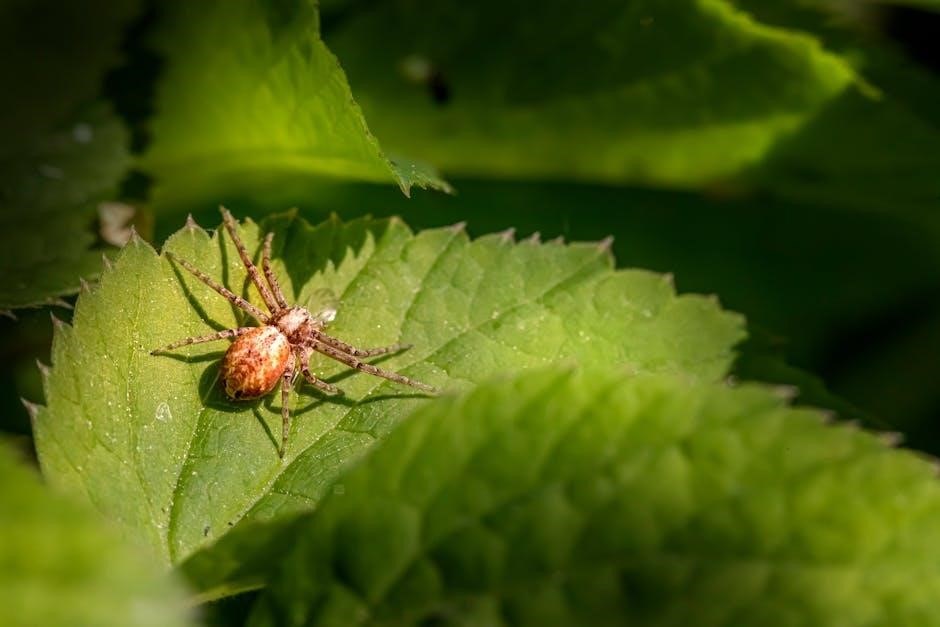
Spiders are vital components of cave ecosystems, functioning as key predators controlling insect populations. These arachnids thrive in dark, humid environments, adapting to limited food sources. Cave spiders often exhibit unique characteristics like elongated legs and reduced eyes, reflecting their subterranean lifestyle.
They contribute to nutrient cycling through their prey and waste. Understanding their role enhances appreciation for these often-misunderstood creatures, enriching the coloring experience and fostering ecological awareness within the PDF coloring pages.
Historical Cave Discoveries & Spider Habitats
Throughout history, cave discoveries have revealed fascinating spider habitats. Archaeological sites, like those in Germany, demonstrate co-existence between humans and cave-dwelling spiders for millennia. These spiders often inhabit ruins and provide insights into past ecosystems.
The Iron Age burial practices within caves showcase a shared environment. Exploring these connections through coloring pages highlights the long-standing relationship between humans, caves, and their arachnid inhabitants, enriching the educational value of the PDF resource.
Safety Considerations When Exploring Caves (and Coloring Them!)
While coloring cave scenes is safe, real cave exploration requires caution. Caves offer protection to spiders, scorpions, and other creatures, necessitating respect for their habitats. Always explore with experienced guides and appropriate gear, avoiding disturbance to the delicate ecosystem.
Coloring pages can illustrate safe practices – wearing helmets, using lights, and respecting wildlife. Emphasize that the PDF’s depictions are artistic representations, not endorsements of unsupervised cave exploration, promoting both learning and responsible behavior.
Integrating Learning: Soldiers, Caves & Spiders in Education
These coloring pages offer a unique interdisciplinary learning opportunity. Soldiers represent history, caves geology and biology, and spiders, zoology and arachnology. PDFs can supplement lessons on historical eras, cave formations like stalactites, and spider anatomy – even dispelling common fears.
Activities can extend beyond coloring, prompting research on Iron Age burial practices (cave discoveries) or spider evolution. The images can spark discussions about ecosystems, adaptation, and the importance of respecting both human history and the natural world.
Creative Extensions Beyond Coloring
Beyond the coloring itself, these PDFs inspire diverse creative projects. Children can write stories about soldier encounters within caves, or imagine spiders’ roles in subterranean ecosystems. Building dioramas depicting cave scenes with soldier figures and spider webs fosters spatial reasoning.
Researching specific spider species (Orb-Weavers, Jumping Spiders) encourages scientific inquiry. Creating comic strips featuring these themes blends art and narrative skills. Dramatic play, enacting historical battles or cave explorations, enhances engagement and understanding.
Copyright and Usage Rights of PDF Coloring Pages
Understanding copyright is crucial when utilizing these PDF coloring pages. Most free PDFs are intended for personal, non-commercial use only – coloring at home or in classrooms. Redistribution, selling, or posting online without permission is generally prohibited.
Check the specific license accompanying each PDF; some creators may allow limited sharing. Modifying the images for personal projects is usually acceptable, but commercial applications require explicit consent. Respecting intellectual property ensures continued availability of these resources.
Coloring pages depicting soldiers, caves, and spiders offer a unique blend of entertainment and education. These PDFs spark creativity while subtly introducing historical periods, geological formations, and the fascinating world of arachnids. The act of coloring itself is therapeutic, promoting relaxation and focus.
Beyond simple amusement, these resources encourage exploration – of history, science, and artistic expression. They provide a springboard for learning, fostering curiosity about the world around us, and inspiring further investigation into these captivating subjects.